Utah Jazz at New Orleans Pelicans — availability-heavy tilt could decide early-season tone
Matchup Preview
The Utah Jazz head into New Orleans to take on the Pelicans in a game where availability is the central storyline. The event data doesn't include a venue listing or any betting markets, but the injury reports for both teams are unusually large and could reshape rotations on both ends. With several players listed out or day-to-day across the two clubs, this looks less like a matchup of established starting lineups and more like a battle of depth and how teams adjust in-game.
This game matters because both rosters show multiple recent transactions to their injury lists. New Orleans has a couple of prominent absences listed, while Utah’s frontcourt depth appears clouded by a string of “out” and “day-to-day” entries. Expect lineups and minutes to look different than they would on a healthy night.
What Could Decide the Game?
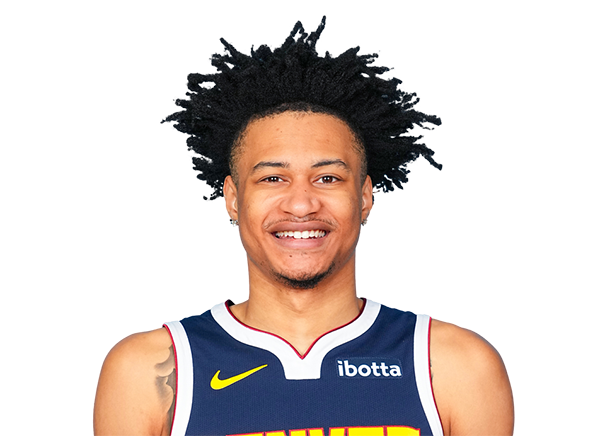
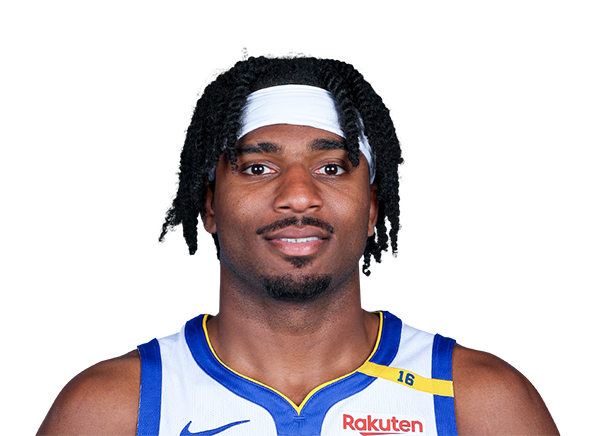
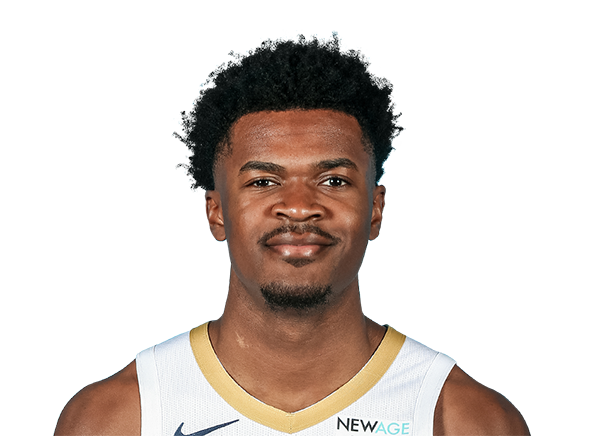
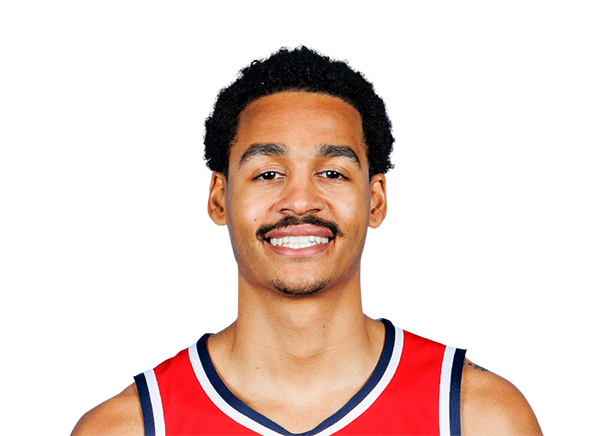
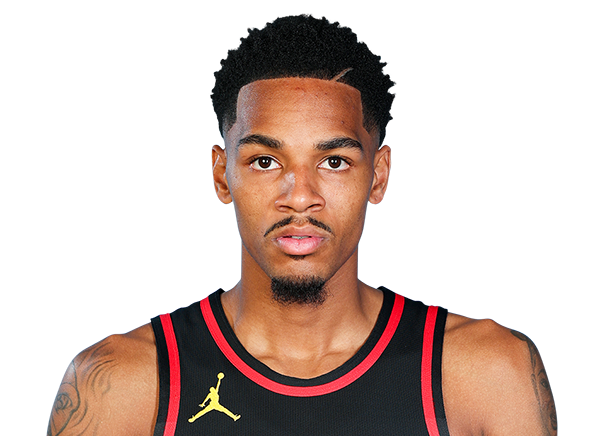
Availability and rotation depth are the immediate keys. New Orleans is listed as missing Dejounte Murray (out, noted as personal) and Jordan Poole (out, sprain). Losing those two on the same night forces the Pelicans to reshuffle ball-handling and secondary scoring duties, which could slow the offense or change how they attack late-clock situations.
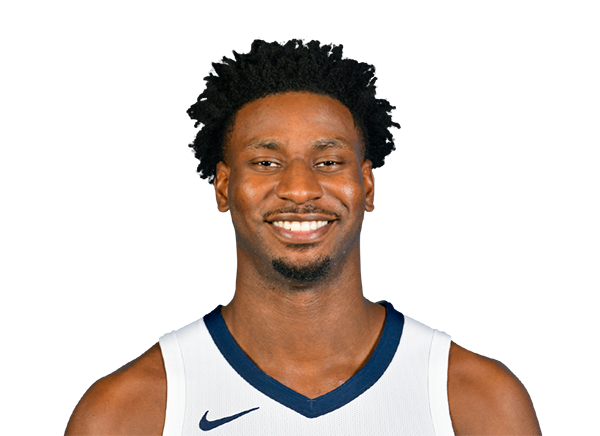
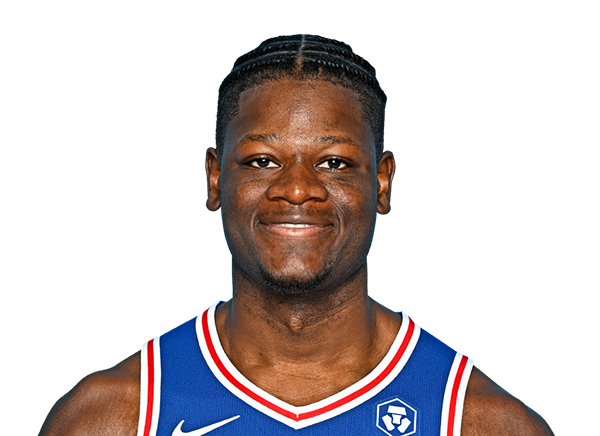
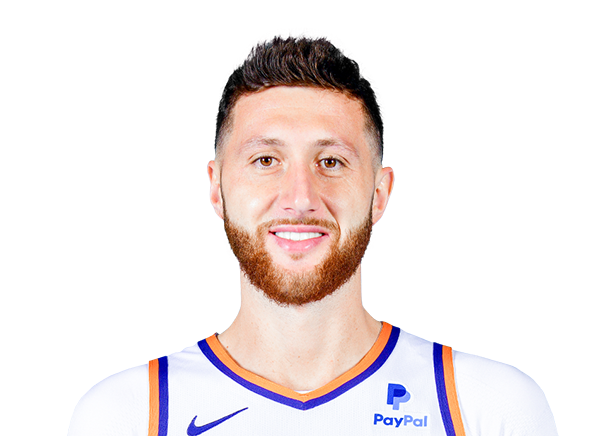
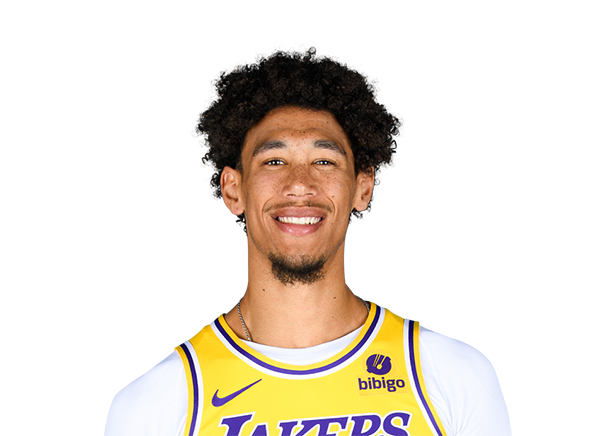
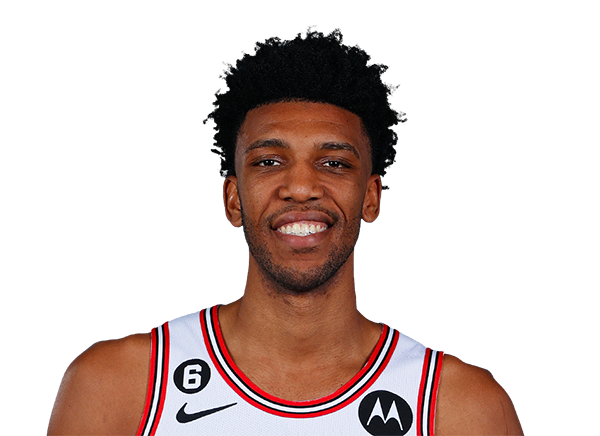
Utah’s injury log shows multiple big names marked out or questionable, including Jusuf Nurkic (out) and Jaren Jackson Jr. (out), with Mo Bamba listed as questionable for the game in New Orleans due to an ankle sprain. Those entries suggest Utah’s interior availability is uncertain; if their usual rotation of bigs is limited, New Orleans could try to exploit size mismatches or attack the paint more aggressively — but only if the Pelicans can generate consistent playmaking without their own absences.
Beyond names, the story will be which bench units can step up. Turnovers, offensive rebounding, and free-throw attempts often swing games when rotations are mixed. Matchups late in the shot clock and who takes late-game shots will be decisive if both teams are missing primary scorers and primary interior defenders.
What Are the Betting Lines Telling Us?
There are no betting markets or line movements provided in the event data, so there’s nothing to read from the market here. That absence leaves bettors without the usual price signals about which side the market prefers. In situations like this — where injuries dominate the narrative — lines that do appear later will likely react to confirmed game-day statuses for the players listed as out or questionable.
If you’re watching for lines to drop, the clearest drivers will be final confirmations on the Pelicans’ backcourt availability and Utah’s listed bigs. Until those statuses are locked, markets will probably be sensitive to last-minute updates.
The ParlayGeeks Take
This game will likely come down to which team handles the unexpected rotation work better. New Orleans has two notable absences that affect its ball movement and scoring options, while Utah’s list raises real questions about interior defense and rim protection. Whoever can replace production without taking a hit to spacing or defensive communication will have the advantage.
Because markets aren’t available in the provided data, there’s no clear betting edge here — the prudent move is to wait for final injury confirmations and see how each team announces its rotation. From a watching perspective, pay attention to which bench pairings the coaches trust early; those combinations will tell you who’s likely to control late-game situations.